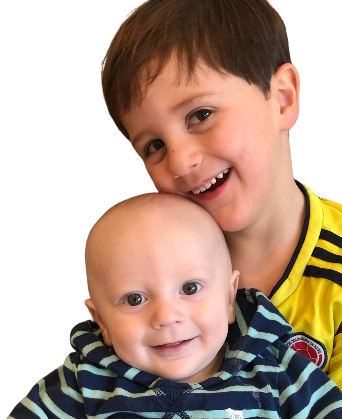
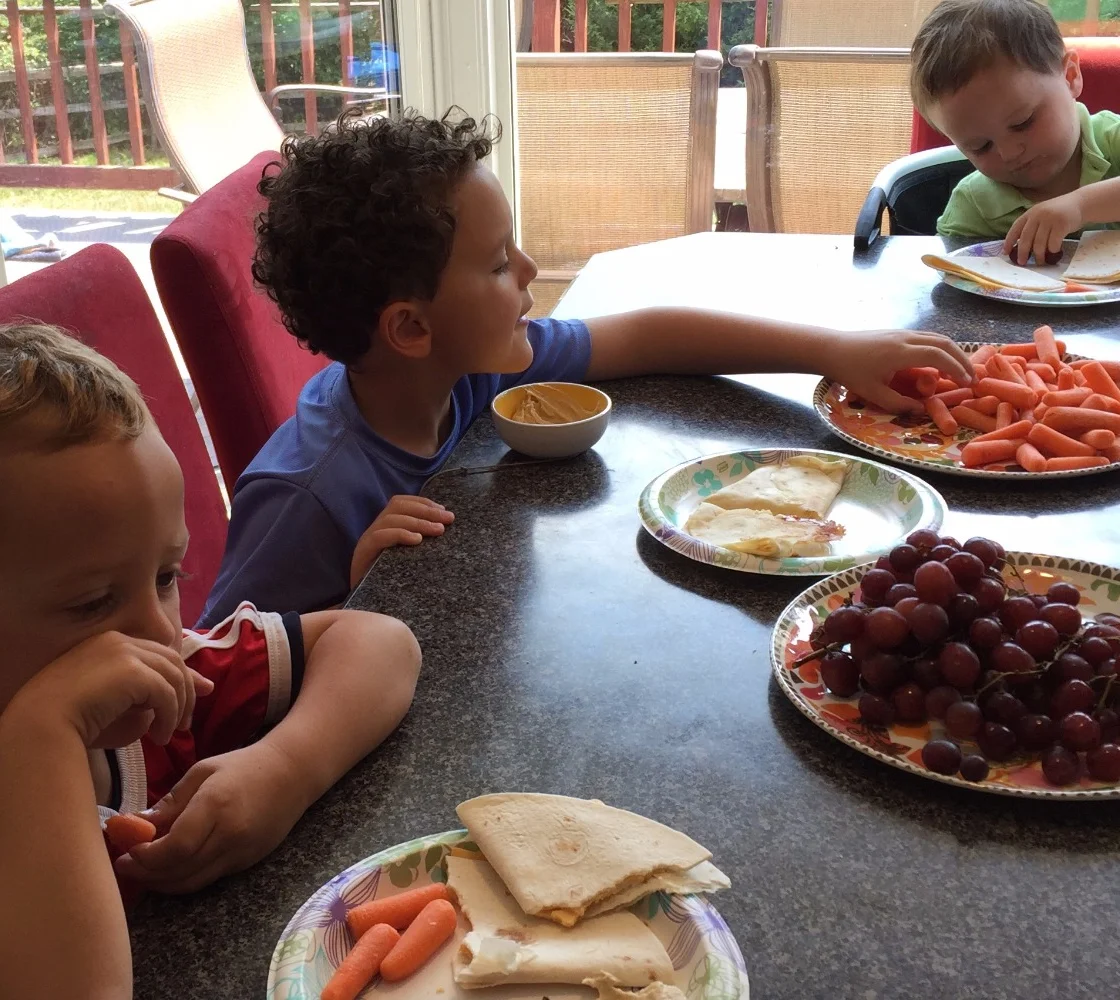
Feeding should always be a process rooted in a peaceful and reciprocal relationship of trust and confidence. When fear enters the feeding process, this foundation is disrupted for both the parent and the child. Our approach alleviates fear and prescriptive volume-driven feeding. This is an infant & parent-centered approach to better nutrition, weight gain, self regulation, and peace, which creates a foundational relationship around feeding that will carry through ALL the stages of the feeding journey!
FirstStages Feeding Specialists
23 years
of experience
Some Other
statistic
3+
available services
Ann Marie has more than 23 years of experience working with complex feeding issues of infants, toddlers and older children. She received her Bachelor of Science degree in Speech-Language Pathology from Marquette University in 1997 and Master of Science in Speech Language Pathology from Gallaudet University in 1999. Her clinical training and work experience includes NICU, in-patient and out-patient hospital settings, Early Intervention, and private practice. Her years of study and clinical work with infants and children have taught her the importance of allowing the child to teach the “why” behind the feeding difficulties to determine the best first steps to intervention. She believes in close collaboration with parents and other specialists to achieve feeding goals. She enjoys spending time with her husband and five lively boys.
Teasing out the role of GERD, food allergens, and/or "ties (TOTs) with feeding difficulties
FTT, poor weight gain and growth
Medically complex feeding issues due to Genetic Syndromes, Cardiac, Developmental Delays
Preventing long-term feeding issues
Transition from Tube Feeding to Oral Feeding
Transitioning from breast to bottle
Coughing, "choking", and/or gagging during feeding attempts
Picky eating, decreased food repertoire (toddler and older child)
Trauma-association From a choke episode, frequent vomit, or aspiration
Supporting a positive parent-child relationship around feeding
Reducing pain, anxiety and fear for the parent and child with feeding
What My Clients Say
Changed my life!
So Good!
Services
Phone Consultation
Discuss parental concerns around feeding
Offer strategies to implement and consider
Share resources to address the specific concerns
Schedule a feeding assessment
Free
Evaluation
Breast feeding and bottle feeding
Poor weight gain and growth concerns
Limited repertoire of foods
NG-tube or g-tube feeding, desire to move from tube to oral feeding
Feeding refusals and feeding shut down
Role of GERD, EoE, and allergies on food refusals
TOTs/ tongue and lip ties, oral motor sensory deficits
Poor acceptance of solid and chewable foods
Contact for Pricing
Mentoring
Certification Available
8-10 learning modules
Digital forms and documents included
Contact for Pricing
Treatment
Coach parents on "responsive feeding" techniques
Implement strategies to improve breast feeding and/or bottle feeding
Reduce fear and anxiety around non-preferred foods
Build confidence and re-establish curiosity and sense of adventure with non-preferred foods
Identify the need for other specialists: GI, Registered Dietitian, ENT, PT, OT etc to treat the whole child.
Oral motor sensory intervention strategies
Contact for Pricing
Our therapy approach recognizes the imperative link between feeding and the parent- child relationship. This relationship is thoughtfully nurtured while implementing clinical strategies and changing feeding patterns. Our methods are evidence-based, backed by over 20 years of clinical experience, as well as, leading experts in the field, including Catherine Shaker, Dr. Kay Toomey, Marsha Dunn Klein, Melanie Potock, Diane Bahr, Suzanne Evans Morris, Dr Chatoor, and Ellyn Sater. Experienced staff have the ability to empower parents by “coaching” them on how to identify refusal cues, pleasure cues, distractions, pressure, and non-verbal communication in order to carefully change feeding patterns and navigate skill acquisition, based on the child’s responses and abilities.